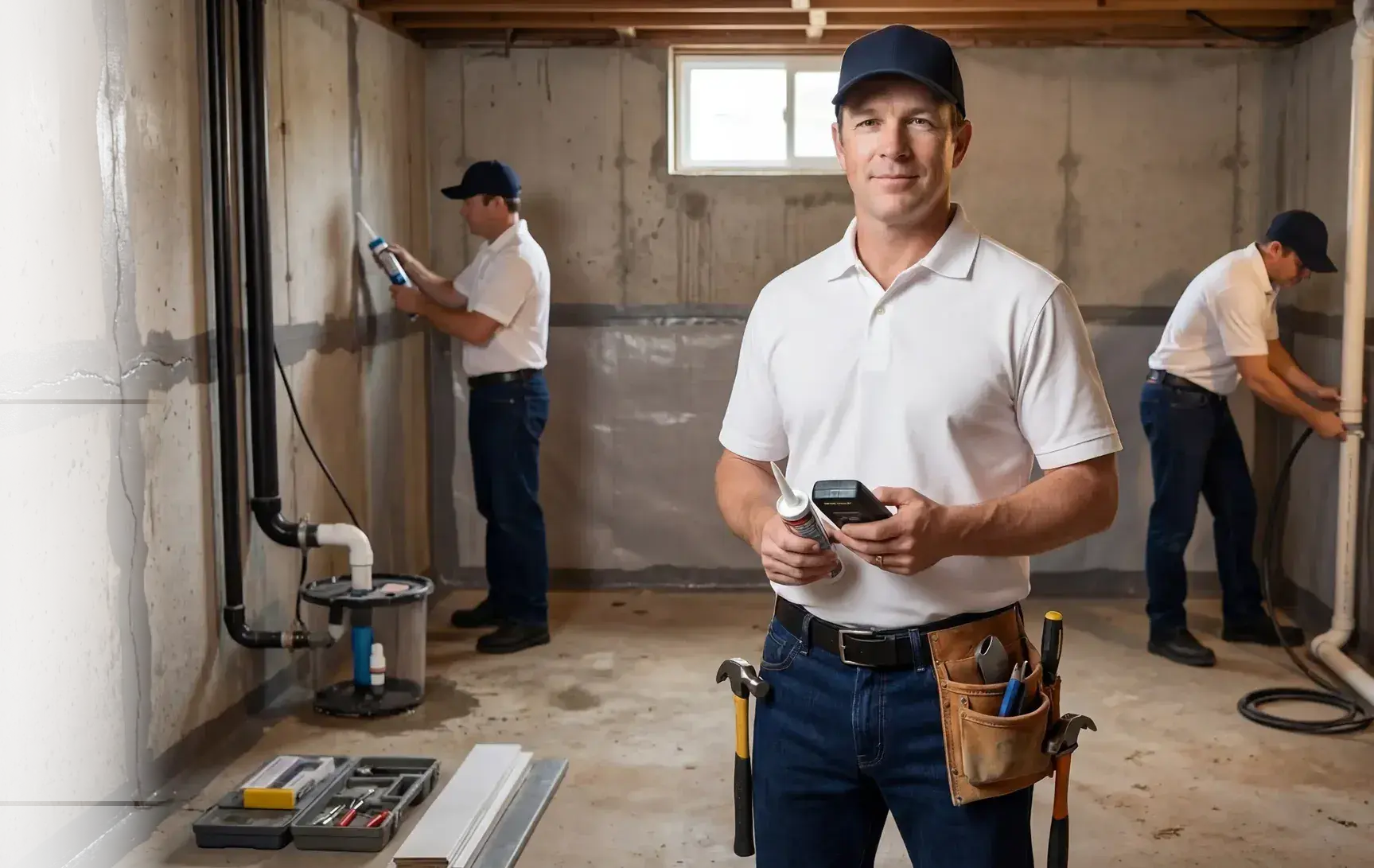
Basement Flood Response Steps
Published · Updated
Finding several inches of water in your basement can be stressful, whether it happens after a storm, a burst pipe, or a failed sump pump. While it's tempting to start cleaning immediately, taking the right steps in the correct order protects your safety and limits further damage. NearbyPros connects homeowners with trusted local restoration professionals who inspect flooded basements, identify hidden moisture, and restore affected areas before small problems become much larger ones.
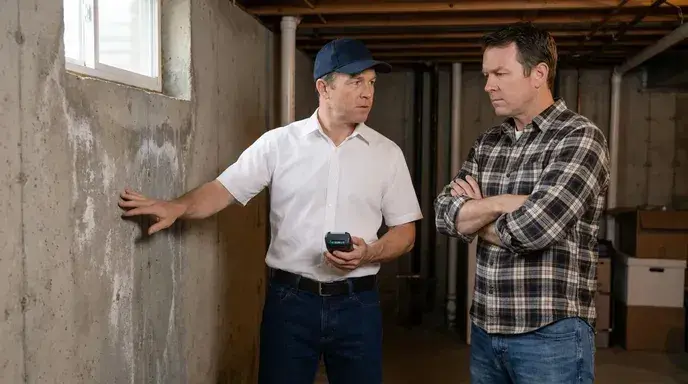
What Should You Do Immediately After Your Basement Floods?
The first few hours are the most important. Acting quickly while keeping safety your top priority helps minimize structural damage and reduces the likelihood of mold developing.
- Never enter standing water
- Turn off electricity to the basement
- Stop the water source if possible
- Photograph and video all visible damage
- Keep children and pets away
- Remove valuable items only
- Contact your insurance provider
- Arrange professional water extraction and drying
Hidden Water Damage Doesn't Stay Hidden for Long
Removing standing water is only the beginning. Moisture often remains inside building materials where it continues causing damage long after surfaces appear dry.
- Drywall absorbs water quickly and may weaken.
- Wood framing can retain moisture for days.
- Insulation often traps water and loses effectiveness.
- Moisture beneath flooring can damage subfloors
- Elevated humidity affects nearby rooms
- Professional moisture detection identifies areas homeowners cannot easily see
What Usually Causes Basement Flooding?
Understanding why the basement flooded helps prevent future problems once restoration is complete.
- Heavy rainfall overwhelming drainage systems
- Failed sump pumps during storms
- Burst or frozen water supply pipes
- Sewer backups
- Foundation cracks allowing groundwater inside
- Water heater failures
- Poor exterior grading directing water toward the home
How Can We Help?
A flooded basement often affects much more than the visible water. Moisture can spread into walls, flooring, insulation, and structural framing where it continues causing damage. NearbyPros connects homeowners with experienced local restoration professionals who respond quickly, explain every step clearly, and restore your property safely and efficiently.
Speak With A Local Professional
Tell us how the flooding occurred, when you discovered it, and which areas appear affected. Our local professionals help you understand the urgency of the situation and explain the next steps.
Schedule Inspection
A local restoration professional performs a comprehensive inspection, identifies visible and hidden moisture, evaluates damaged materials, and develops a restoration plan for your property.
Get Professional Water Damage Restoration Service
Our water damage restoration professionals perform water extraction, structural drying, moisture monitoring, sanitization when necessary, and restoration services designed to return your basement to a clean, safe, and dry condition.
Connect with a trusted local professional available in your area today.
Call Us Now