Flood Damage Insurance Coverage
Published
Many homeowners are surprised to learn that flood damage and water damage are not always treated the same by insurance providers. While a standard homeowners insurance policy may cover certain types of sudden water-related incidents, flood damage is often handled differently. Understanding the distinction before a flood occurs can help homeowners avoid unexpected claim issues and make more informed decisions about protecting their property. Knowing what coverage may apply is an important part of preparing for potential flood-related losses.
What Insurance Companies Typically Consider Flood Damage?
Insurance definitions often matter as much as the damage itself. Flood damage generally involves water entering a property from outside sources rather than originating from within the home.
- Rising water from heavy rainfall
- Overflowing rivers and streams
- Storm surge events
- Flash flooding
- Water entering through ground level
- Floodwaters affecting multiple properties
- Coastal flooding events
- Widespread surface water accumulation
Why Flood Damage Is Treated Differently?
Flood losses can affect large geographic areas at the same time. Because of this risk, flood coverage is often handled separately from many standard homeowners insurance policies.
- Different underwriting requirements
- Regional flood risk considerations
- Large-scale loss potential
- Separate policy structures
- Coverage limitations and exclusions
- Distinct claim processes
- Property-specific flood risks
- Flood zone considerations
What Homeowners Should Do After Flood Damage?
Taking organized steps after a flood event can help homeowners better understand the extent of damage and prepare for restoration and insurance-related decisions.
- Prioritize safety before re-entering
- Document visible flood damage
- Photograph affected areas
- Record damaged belongings
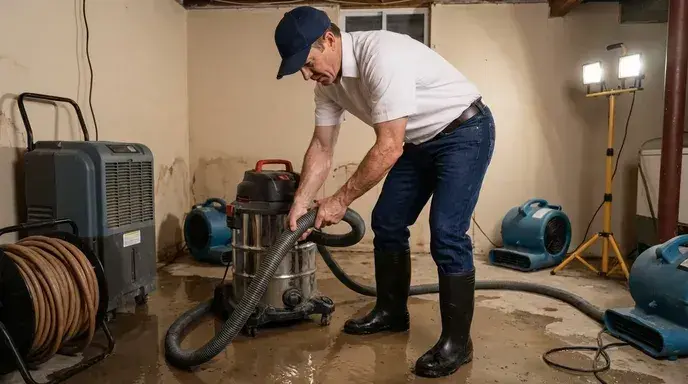
- Remove standing water when safe
- Prevent additional damage where possible
- Review insurance documentation
- Schedule a professional assessment
Why Professional Flood Assessments Matter?
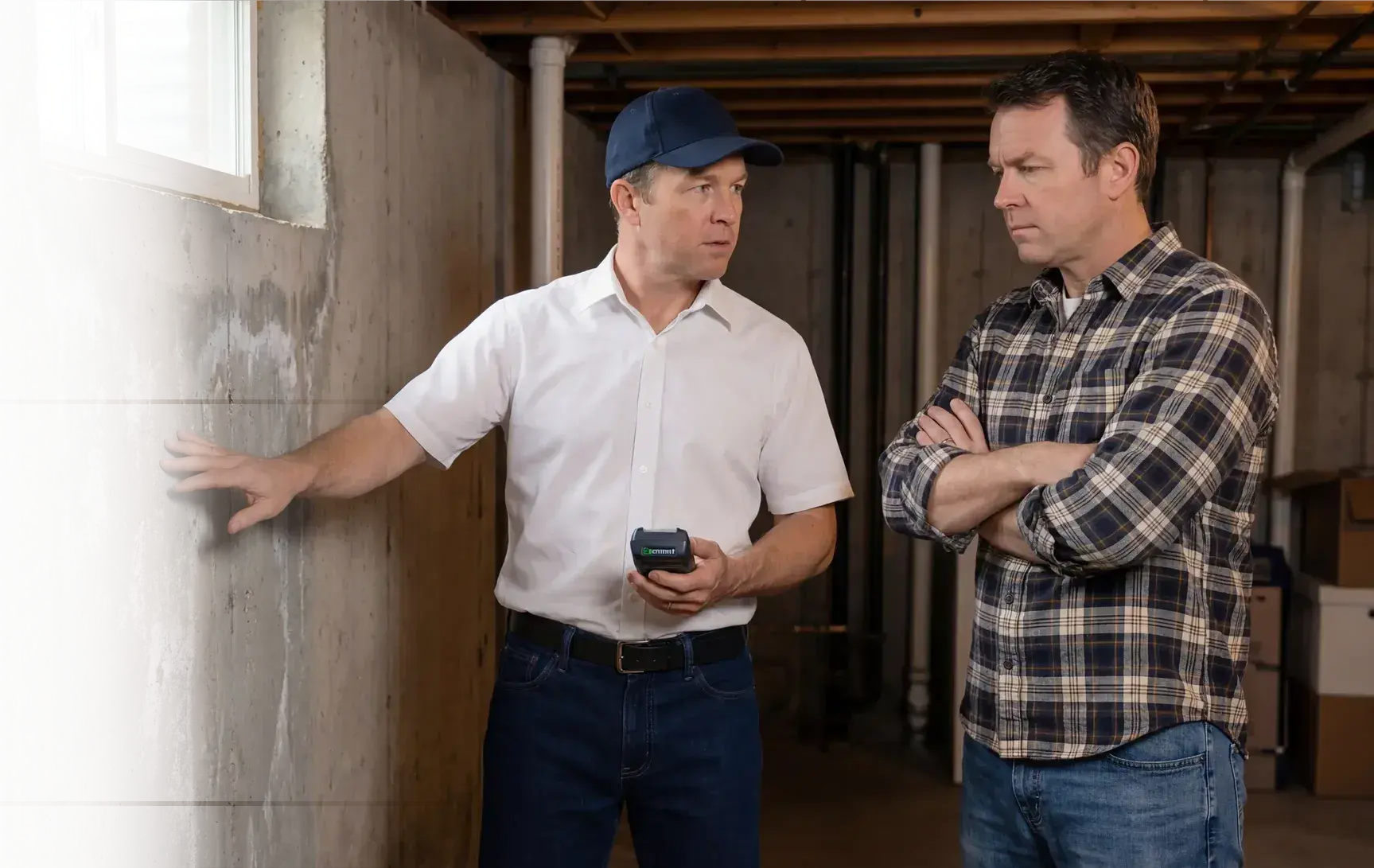
Flood damage often extends beyond what is immediately visible. Moisture can remain trapped behind walls, beneath flooring, and inside structural materials long after floodwaters recede.
- Hidden moisture detection
- Identification of affected materials
- Structural damage evaluation
- Documentation of flood-related impacts
- Assessment of restoration needs
- Mold risk identification
- Repair planning support
- Comprehensive damage evaluation
How Can We Help?
Flood damage can leave homeowners dealing with structural concerns, damaged belongings, moisture issues, and insurance questions all at once. Our local restoration professionals help evaluate affected areas, identify hidden damage, and document restoration needs. NearbyPros connects homeowners with trusted local experts who can inspect flood-related damage, explain restoration options, and help you understand the next steps before repairs begin.
Discuss The Flood Damage
Tell us what happened and which areas of the property were affected. We can help you better understand the restoration considerations involved.
Schedule A Property Inspection
A local restoration professional can assess flood-related damage, evaluate affected materials, and determine the scope of restoration needed.
Get Professional Water Damage Restoration Service
Our restoration professionals inspect affected areas, explain recommended restoration measures, and perform the work needed to help restore your property after flood damage.
Connect with a trusted local professional available in your area today.
Call Us Now