Understanding House Drying Costs
Published
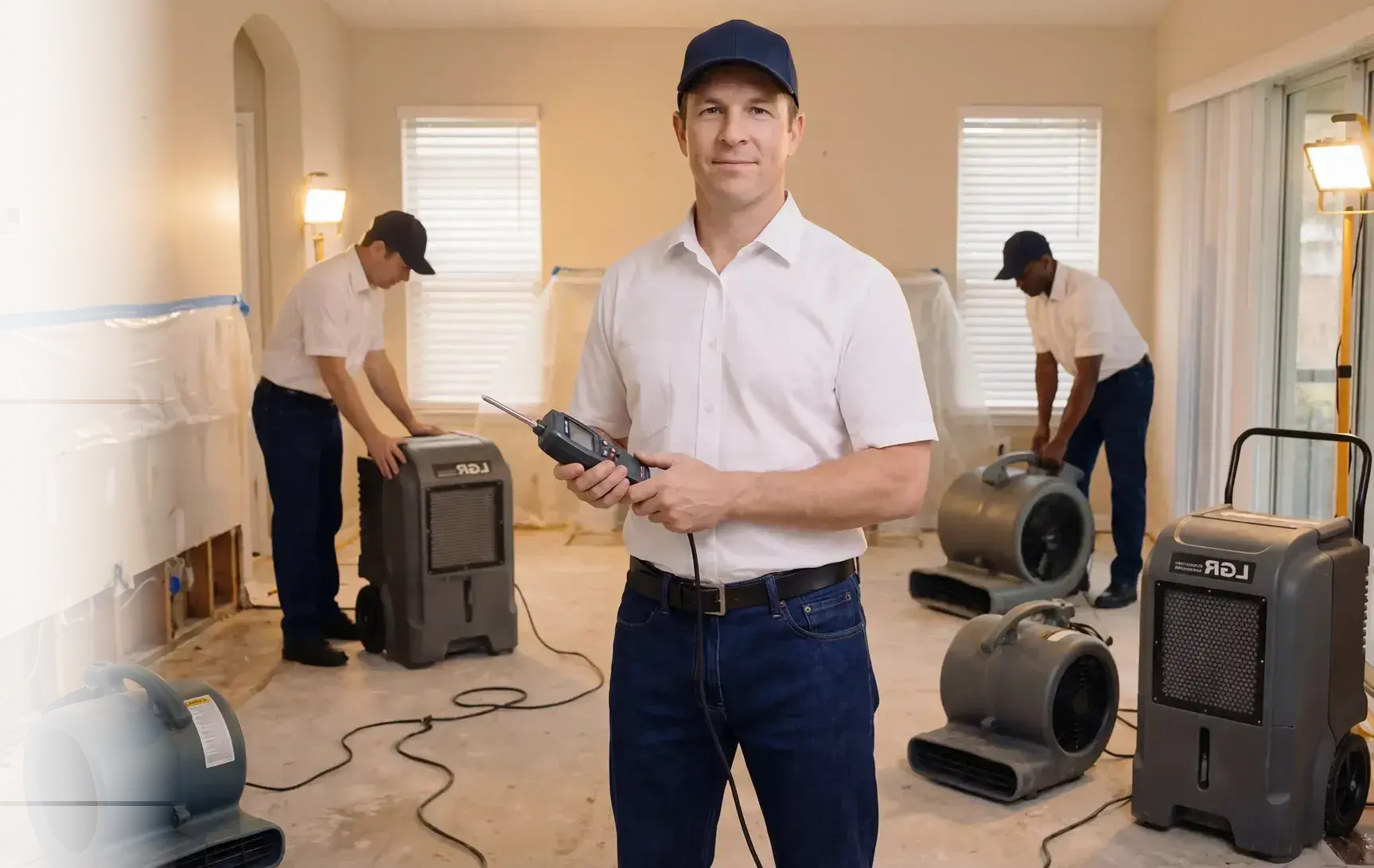
After a leak, flood, burst pipe, or appliance failure, removing standing water is only the first step. Moisture often remains trapped inside walls, flooring, ceilings, insulation, and structural materials long after visible water disappears. Drying a water-damaged house requires specialized equipment, moisture monitoring, and a carefully planned restoration process. Understanding what affects the cost of drying out a property helps homeowners make informed decisions and take action before hidden moisture creates larger restoration challenges.
What Affects The Cost Of Drying A Water-Damaged House?
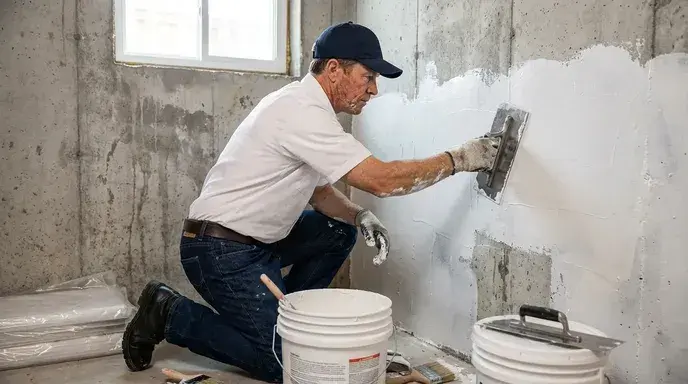
The cost of drying a water-damaged home depends on far more than the size of the affected area. Moisture levels, building materials, drying equipment, and the number of rooms involved all influence restoration expenses.
- Size of affected areas
- Moisture penetration depth
- Number of damaged rooms
- Drywall and insulation involvement
- Flooring material type
- Structural drying requirements
- Duration of water exposure
Hidden Costs Homeowners Often Overlook
Drying costs are not always limited to fans and dehumidifiers. Secondary restoration requirements can influence the overall project scope.
- Moisture inspections
- Thermal imaging assessments
- Material removal
- Damaged insulation replacement
- Moisture monitoring visits
- Mold prevention measures
- Reconstruction planning
Why Fast Drying Often Reduces Overall Costs?
One of the biggest factors influencing total restoration expenses is how quickly mitigation begins after water damage occurs.
- Less moisture migration
- Reduced material damage
- Shorter drying timelines
- Lower reconstruction needs
- Less demolition work
- Reduced mold risk
- Faster restoration completion
How Can We Help?
When a home has been affected by water damage, understanding the drying process can feel overwhelming. Our local restoration professionals help homeowners identify hidden moisture, assess drying requirements, and determine the next steps needed to protect the property. NearbyPros connects homeowners with trusted local experts who can evaluate water damage conditions and help begin the restoration process before additional complications develop.
Discuss The Water Damage
Tell us when the water damage occurred and which areas of the property appear affected. We'll help you understand the next steps based on the situation.
Schedule A Moisture Assessment
Connect with a local restoration professional who can inspect moisture conditions, identify affected materials, and determine drying requirements.
Get Professional Water Damage Restoration Service
Our restoration professionals assess the property, explain recommended drying procedures, and perform the restoration work needed to help return the home to a safe condition.
Connect with a trusted local professional available in your area today.
Call Us Now