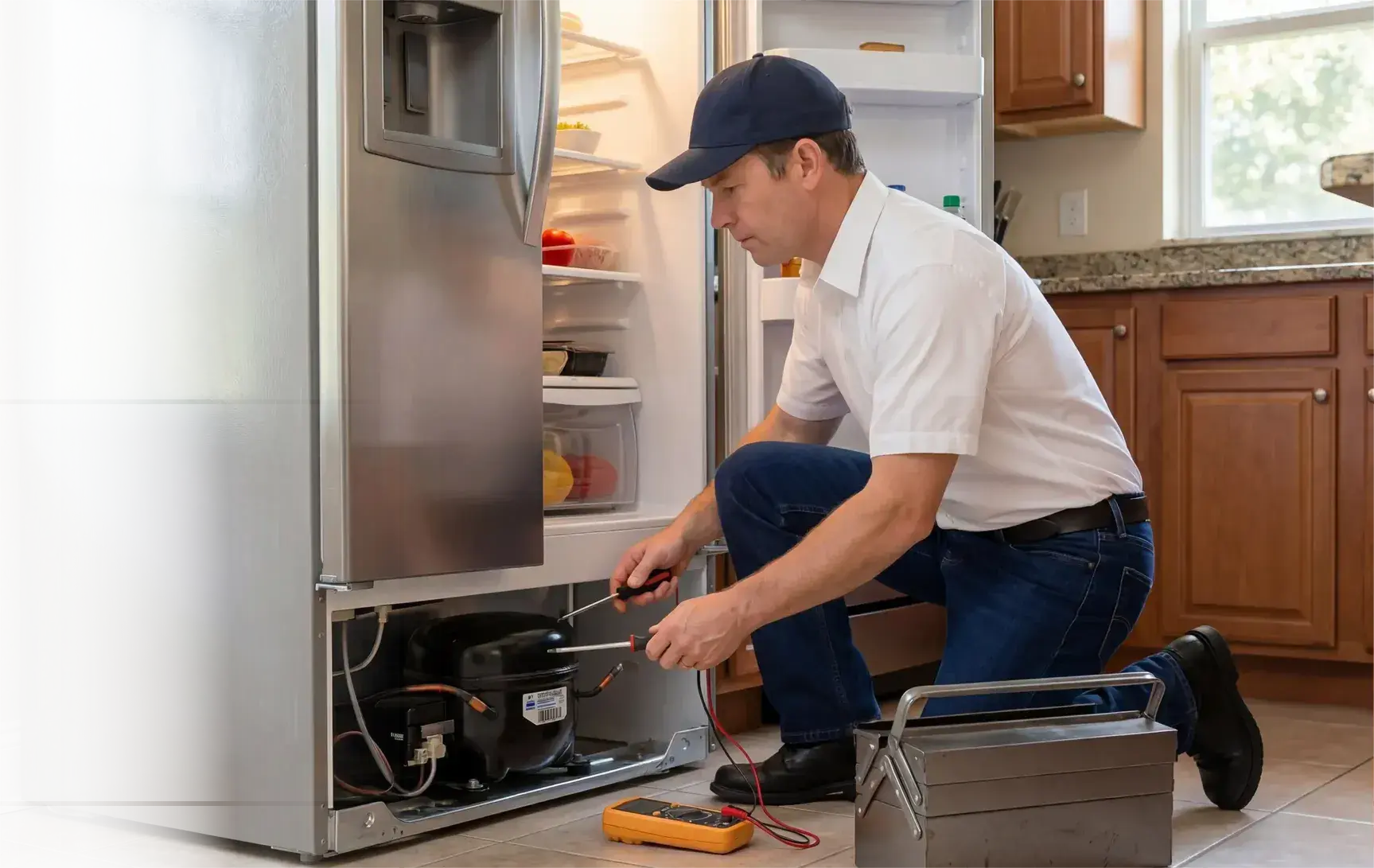
Why Does the Severity of Water Damage affect Repair Costs?
Published
The more severe the damage, the more work is required to restore your property. Small leaks that affect one room usually cost much less than flooding that damages multiple rooms, flooring, walls, insulation, and structural components.
Professionals typically inspect:
- Square footage affected
- Moisture levels
- Structural damage
- Drying requirements
- Material replacement needs
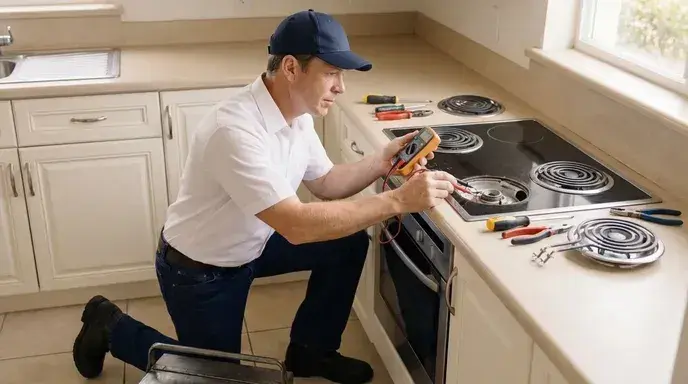
What Influences Appliance Repair Costs?
Repair costs depend on more than the visible problem. Labor, replacement components, accessibility, and appliance condition all affect pricing.
- Appliance type and model complexity
- Cost of replacement parts
- Extent of internal damage
- Labor required for diagnosis and repair
- Appliance age and parts availability
- Emergency or after-hours service needs
- Multiple component failures at once
Does Emergency Service Cost More?
Yes. Many restoration companies offer 24/7 emergency response for burst pipes, flooding, and storm damage. Emergency service may involve after-hours labor, immediate water extraction, and rapid structural drying, which can increase the total cost.
Does the Size of the Damaged area Matter?
Absolutely.
Repairing one small room generally costs less than restoring an entire basement or multiple floors. Larger affected areas require more equipment, technicians, drying time, and replacement materials.
Do Labor Costs Vary by Location?
Yes. Labor rates, material prices, and emergency response costs vary by city and region. The same type of repair may cost more in one location than another because of local market conditions.
Does Insurance Cover Water Damage Repairs?
Insurance coverage depends on the cause of the damage and your policy.
Many homeowners insurance policies may cover sudden and accidental water damage, while damage caused by poor maintenance, gradual leaks, or flooding may require separate coverage.
Review your policy and document the damage before starting repairs.
How Can You Reduce Water Damage Repair Costs?
You can often reduce repair costs by:
Quick action often prevents minor damage from becoming a major restoration project.
- Stopping the water source immediately.
- Calling a restoration professional as soon as possible.
- Removing standing water quickly.
- Drying affected areas before mold develops.
- Documenting damage for insurance claims.
- Scheduling a professional inspection.
Need Water Damage Restoration Near You?
If you need emergency water damage restoration, NearbyPros connects homeowners with trusted local restoration professionals across multiple cities.
Popular service areas include:
Browse your nearest location to request fast local assistance.
- New York, NY
- Boston, MA
- Philadelphia, PA
- Baltimore, MD
- Washington, DC
Does the Type of Water Change the Cost?
Yes. Water is generally classified into three categories.
Clean Water
Clean water comes from sources such as broken supply lines or overflowing sinks. It is usually the least expensive to clean if addressed quickly.
Gray Water
Gray water may come from washing machines, dishwashers, or appliances and may contain contaminants that require additional cleaning.
Black Water
Black water comes from sewage backups or floodwater and requires specialized equipment, protective gear, and complete sanitization, making it the most expensive type of restoration.
Which Building Materials Cost More to Repair?
Some materials are easier to dry and restore than others.
Common materials that may require replacement include:
- Drywall
- Hardwood flooring
- Carpet and padding
- Cabinets
- Insulation
- Ceiling materials
- Baseboards
The more materials affected, the higher the repair cost.
How Does Mold affect Water Damage Costs?
If moisture remains for too long, mold can begin to grow. Mold remediation requires additional inspection, containment, cleaning, and removal, increasing the overall restoration cost.
Acting quickly can help reduce both damage and expenses.
Connect with a trusted local professional available in your area today.
Call Us Now