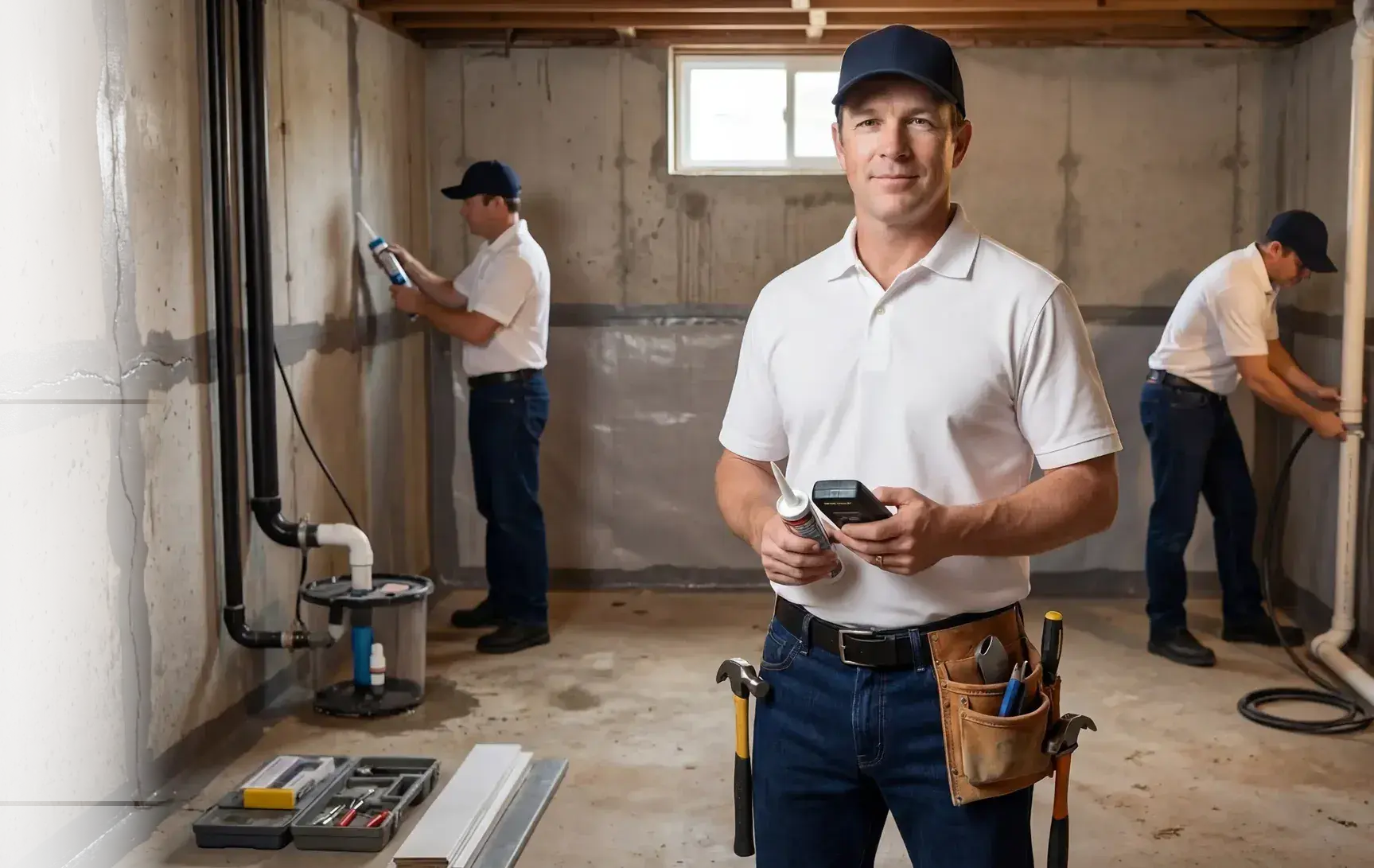
Emergency Water Damage Response Checklist
Published · Updated
Most homeowners don't expect a plumbing leak, appliance failure, or sudden water intrusion until it happens. Unfortunately, water damage can spread through flooring, walls, insulation, and personal belongings in a matter of hours. Having a clear emergency checklist before disaster strikes helps you respond with confidence, protect your home, and avoid costly mistakes. NearbyPros connects homeowners with trusted local restoration professionals who can quickly assess the damage and begin the restoration process when every minute matters.
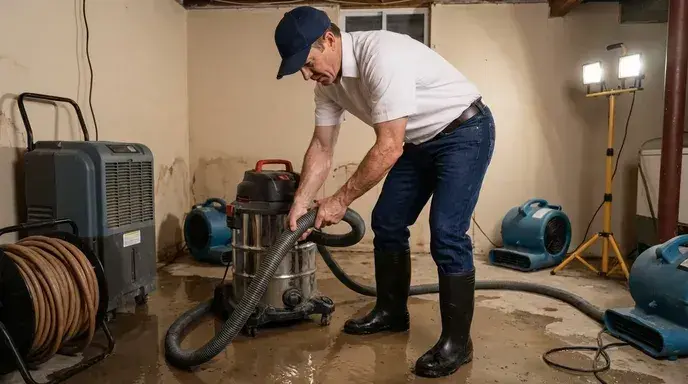
Build Your Home Water Emergency Kit
Preparation starts long before an emergency occurs. Keeping essential supplies together allows you to respond safely while waiting for professional help.
- Store waterproof gloves and rubber boots
- Keep multiple flashlights with extra batteries
- Keep your insurance policy accessible
- Have a portable phone charger available
- Save digital copies of important documents
- Keep plastic storage bins for valuables
- Maintain a basic first-aid kit
- Store emergency contact numbers in both digital and printed form
Know Your Home's Critical Water Control Points
Many homeowners waste valuable time searching for shut-off valves during an emergency. Familiarizing yourself with your home's utilities can significantly reduce damage.
- Locate the main water shut-off valve
- Identify individual shut-off valves for sinks and toilets
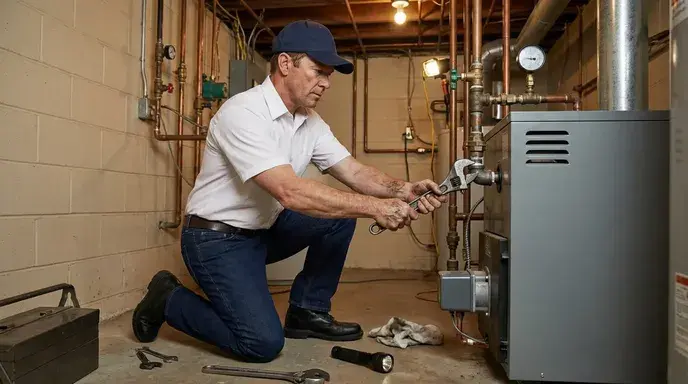
- Know where your water heater shut-off is located
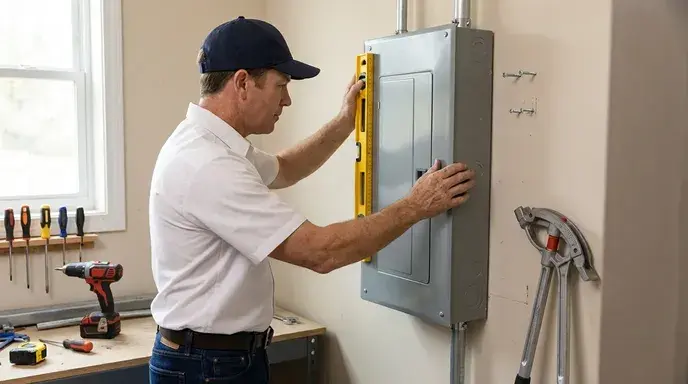
- Label electrical breakers for major appliances
- Learn how to safely disconnect appliance water supplies
- Keep utility tools in an easily accessible location
Emergency Habits That Help Reduce Water Damage
Small habits practiced throughout the year can significantly reduce the impact of an unexpected water emergency.
- Inspect appliance supply lines regularly
- Replace aging washing machine hoses
- Check under sinks for slow leaks
- Keep gutters and downspouts clear
- Test your sump pump before rainy seasons
- Monitor your monthly water bill for unusual increases
How Can We Help?
Water emergencies are stressful, but you don't have to face them alone. NearbyPros connects homeowners with trusted local restoration professionals who respond quickly, identify the source of the problem, and explain every step of the recovery process. From emergency water extraction to complete structural drying, our professionals help protect your home and restore your peace of mind.
Speak With A Local Professional
Tell us what happened and describe the areas affected by water. We'll help you understand the urgency of the situation and connect you with a trusted restoration professional in your area.
Schedule Inspection
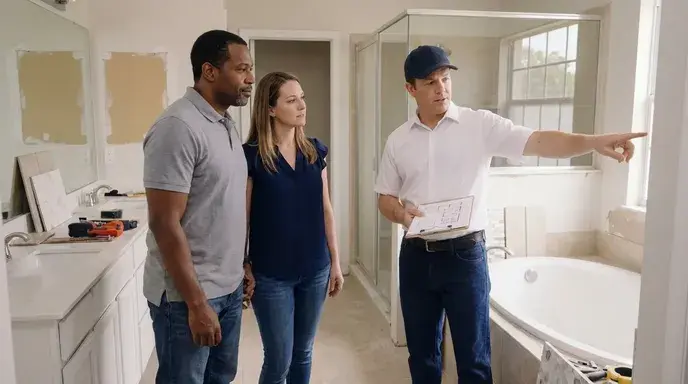
A local restoration professional will inspect your property using professional moisture detection equipment to identify visible and hidden water damage before restoration begins.
Get Professional Water Damage Restoration Service
Our water damage restoration professionals provide emergency water extraction, structural drying, moisture monitoring, and restoration services designed to help protect your home from additional damage.
Connect with a trusted local professional available in your area today.
Call Us Now