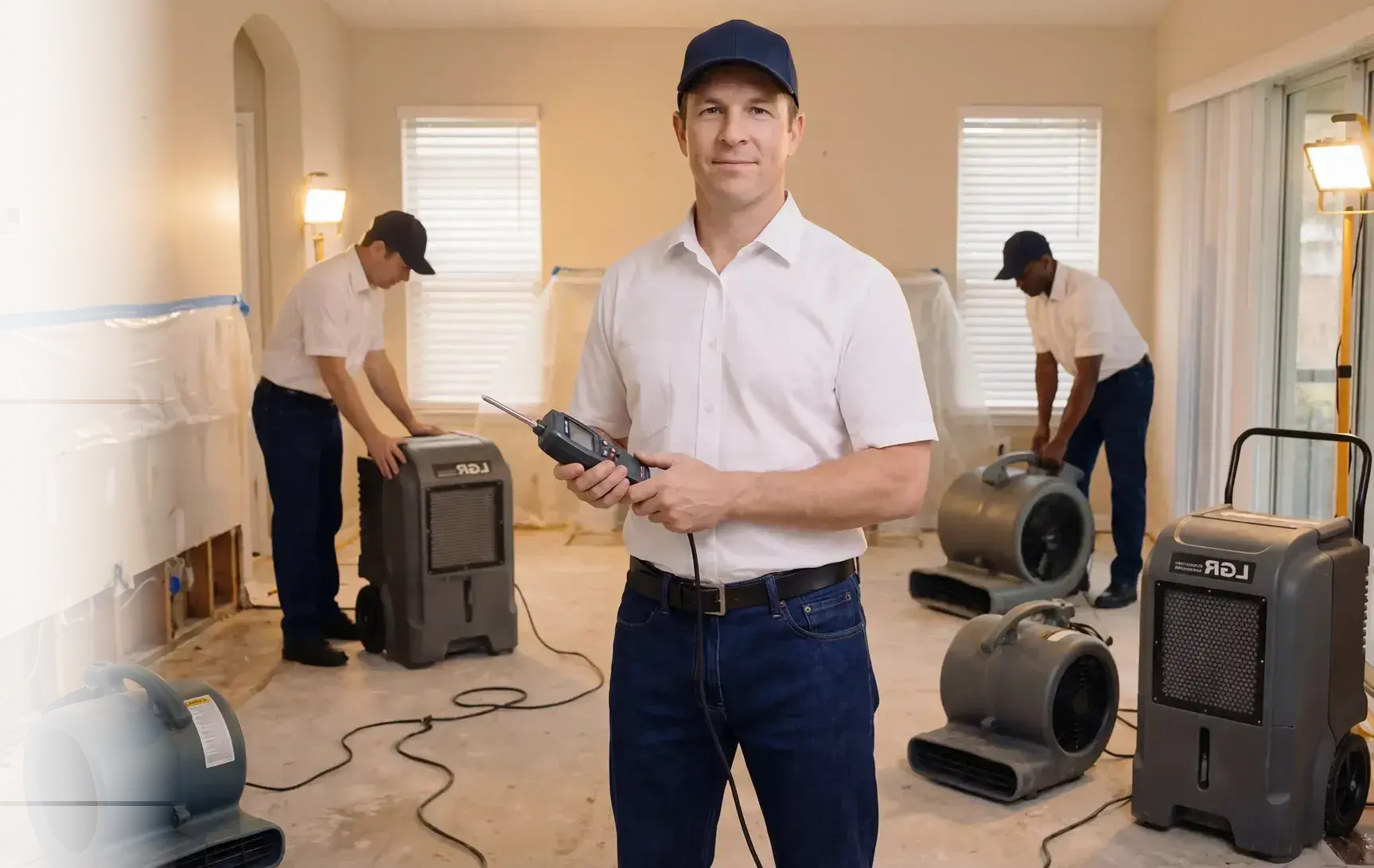
Hardwood Floor Restoration Costs
Published
Hardwood flooring adds beauty and value to a home, but water damage can quickly affect its appearance and condition. Leaks, flooding, appliance failures, and plumbing issues can cause hardwood floors to warp, cup, buckle, stain, or separate over time. While some flooring damage may require limited repairs, more severe moisture exposure can affect larger sections of the floor and even the materials underneath. Understanding what influences hardwood floor repair costs helps homeowners evaluate the extent of damage and plan restoration decisions more confidently.
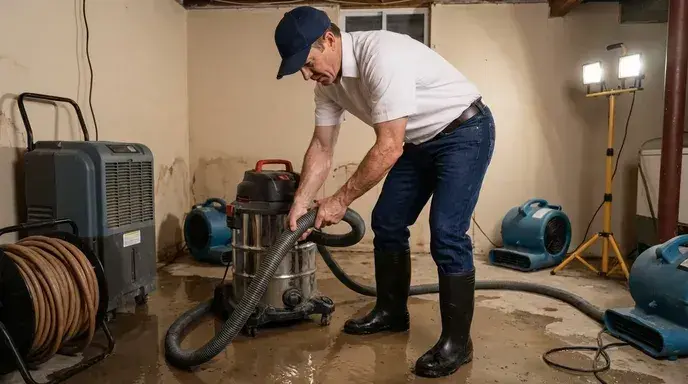
What Affects Hardwood Floor Repair Costs?
The amount of restoration work required depends on how much water reached the flooring and how long the moisture remained present. Several factors can influence the overall repair scope.
- Size of the affected flooring area
- Length of moisture exposure
- Type of hardwood flooring
- Moisture beneath the flooring
- Number of damaged rooms
- Replacement of affected boards
What Can Increase Repair Costs?
Some hardwood floor problems require more extensive restoration than homeowners initially expect. Costs often increase when damage extends beyond the visible surface.
- Large sections of flooring affected
- Flooring that has begun to buckle
- Water reaching the subfloor
- Damage spreading into multiple rooms
- Matching older flooring materials
- Extensive sanding and refinishing work
- Additional drying and moisture mitigation
Signs The Damage May Be More Serious
Visible stains are not always the only concern. Certain warning signs can indicate that water has affected deeper layers of the flooring system.
- Boards lifting away from the floor
- Cupping along plank edges
- Soft or unstable floor areas
- Persistent moisture odors
- Floor discoloration spreading over time
- Gaps developing between boards
Why Fast Action Often Reduces Costs?
Addressing water-damaged hardwood floors early often helps limit how far moisture travels. Quick action can reduce the amount of restoration work needed later.
- Helps protect surrounding flooring
- Limits moisture penetration
- Reduces risk of subfloor damage
- Preserves more original materials
- Helps avoid larger repairs
- Minimizes refinishing needs
How Can We Help?
Water-damaged hardwood floors can be difficult for homeowners to evaluate because surface damage does not always reveal the full extent of moisture exposure. Our local restoration professionals help assess flooring conditions, identify hidden moisture concerns, and determine the most appropriate repair approach. NearbyPros connects homeowners with trusted local experts who can inspect damaged hardwood flooring and explain the restoration options available.
Discuss Your Flooring Concerns
Tell us what signs you've noticed, such as warping, buckling, staining, gaps, or unusual floor movement. We'll help you understand whether professional evaluation is recommended.
Schedule A Floor Inspection
A local restoration professional can inspect the flooring, evaluate moisture conditions, and determine how much of the floor system has been affected.
Get Professional Water Damage Restoration Service
Our restoration professionals assess damaged flooring, explain recommended repairs, and perform the restoration work needed to help restore the affected areas of your home.
Connect with a trusted local professional available in your area today.
Call Us Now