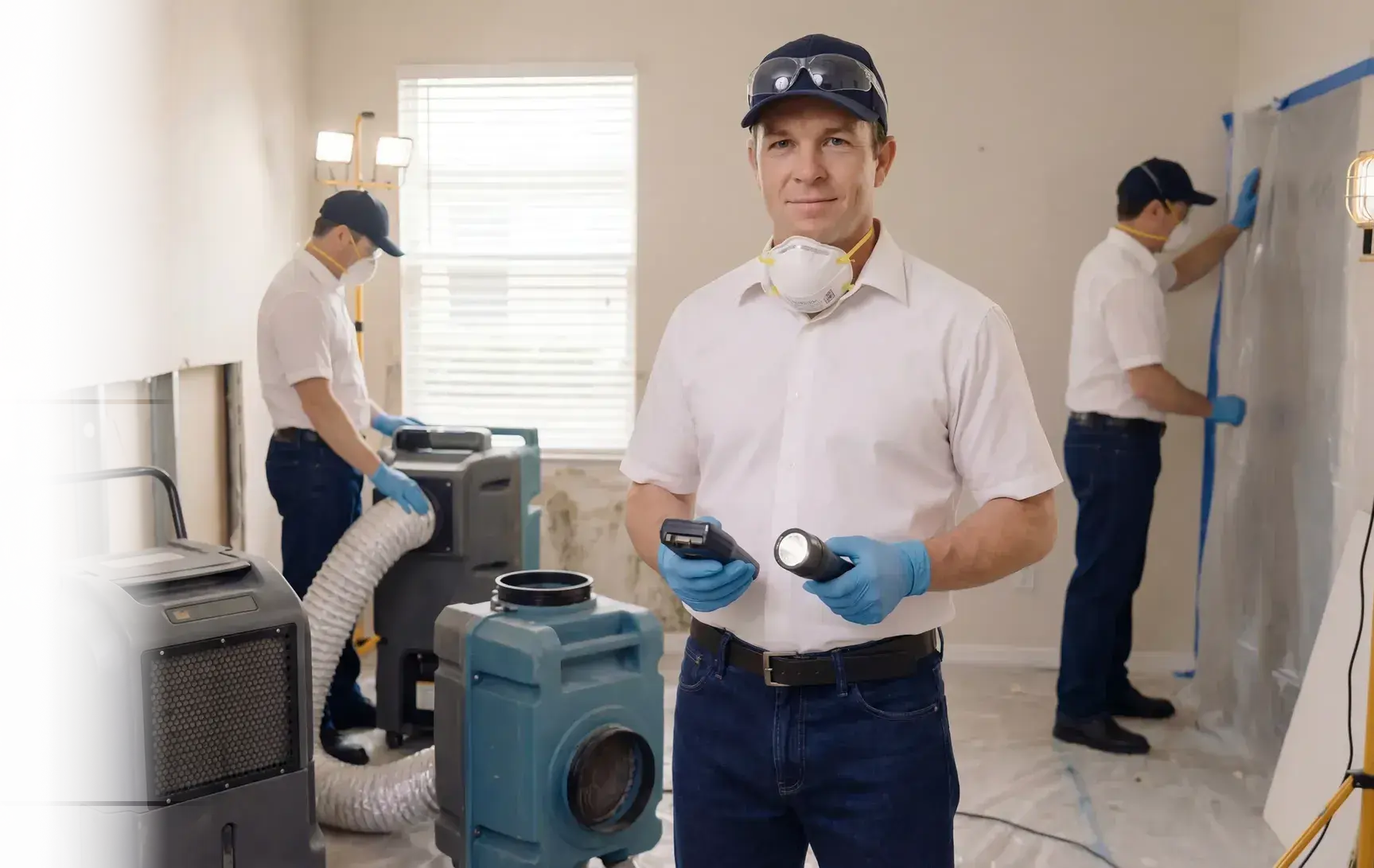
Understanding Mold Remediation Costs
Published
Water damage can create conditions that allow mold to develop long after the original leak, flood, or plumbing issue has been resolved. While some situations involve limited contamination, others require extensive remediation and material removal. The amount of work needed often depends on how far mold has spread and which areas of the home have been affected. Understanding what influences mold remediation costs can help homeowners make informed decisions before contamination becomes more difficult and expensive to address.
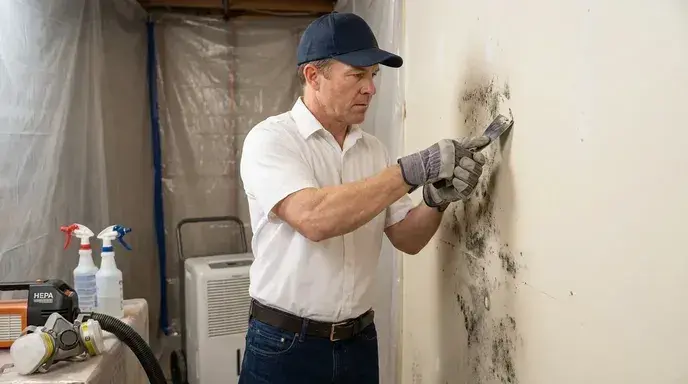
What Areas Commonly Require Mold Remediation?
Mold growth frequently develops in places where moisture remains trapped after water damage. The location and accessibility of affected materials can significantly influence the remediation process.
- Drywall and wall cavities
- Ceiling materials
- Flooring and subfloor systems
- Carpet and padding
- Insulation materials
- Cabinets and built-in structures
- Areas surrounding previous leaks
What Can Increase Mold Remediation Costs?
Not all mold situations require the same level of cleanup. Remediation becomes more extensive when contamination spreads beyond a small isolated area or affects multiple building materials.
- Mold affecting multiple rooms
- Hidden contamination behind walls
- Saturated insulation requiring removal
- Extensive demolition of damaged materials
- Air containment requirements
- Difficult-to-access affected areas
- Ongoing moisture problems
Signs The Problem May Be More Extensive
Visible mold is not always the full extent of the issue. Certain warning signs can indicate that contamination has spread further than homeowners initially realize.
- Persistent musty odors
- Mold repeatedly returning after cleaning
- Discoloration on walls or ceilings
- Peeling paint or bubbling surfaces
- Excess humidity in affected rooms
- Mold appearing in multiple locations
Why Early Remediation Often Reduces Costs?
Addressing mold concerns promptly can help prevent contamination from spreading into additional areas of the home. Early intervention often reduces the amount of material removal and restoration needed later.
- Helps contain mold growth
- Reduces material replacement needs
- Supports healthier indoor air quality
- Limits contamination spread
- Preserves more original materials
- Helps avoid larger repair projects
How Can We Help?
Mold growth after water damage is often more difficult to evaluate than homeowners expect because contamination frequently develops behind walls, beneath flooring, and inside other hidden areas. Our local restoration professionals help identify affected materials, assess moisture conditions, and determine the remediation work needed. NearbyPros connects homeowners with trusted local experts who can inspect mold concerns and help restore affected areas safely and effectively.
Discuss The Mold Concerns
Tell us about the water damage event and any signs of mold you've noticed. We'll help you understand whether professional remediation may be needed.
Schedule A Mold Assessment
A local restoration professional can inspect affected areas, identify moisture sources, and evaluate the extent of contamination.
Get Professional Mold Remediation Service
Our restoration professionals assess affected materials, explain recommended remediation measures, and perform the restoration work needed to address mold contamination and moisture-related damage.
Connect with a trusted local professional available in your area today.
Call Us Now