Water-Damaged Drywall Repair Costs
Published
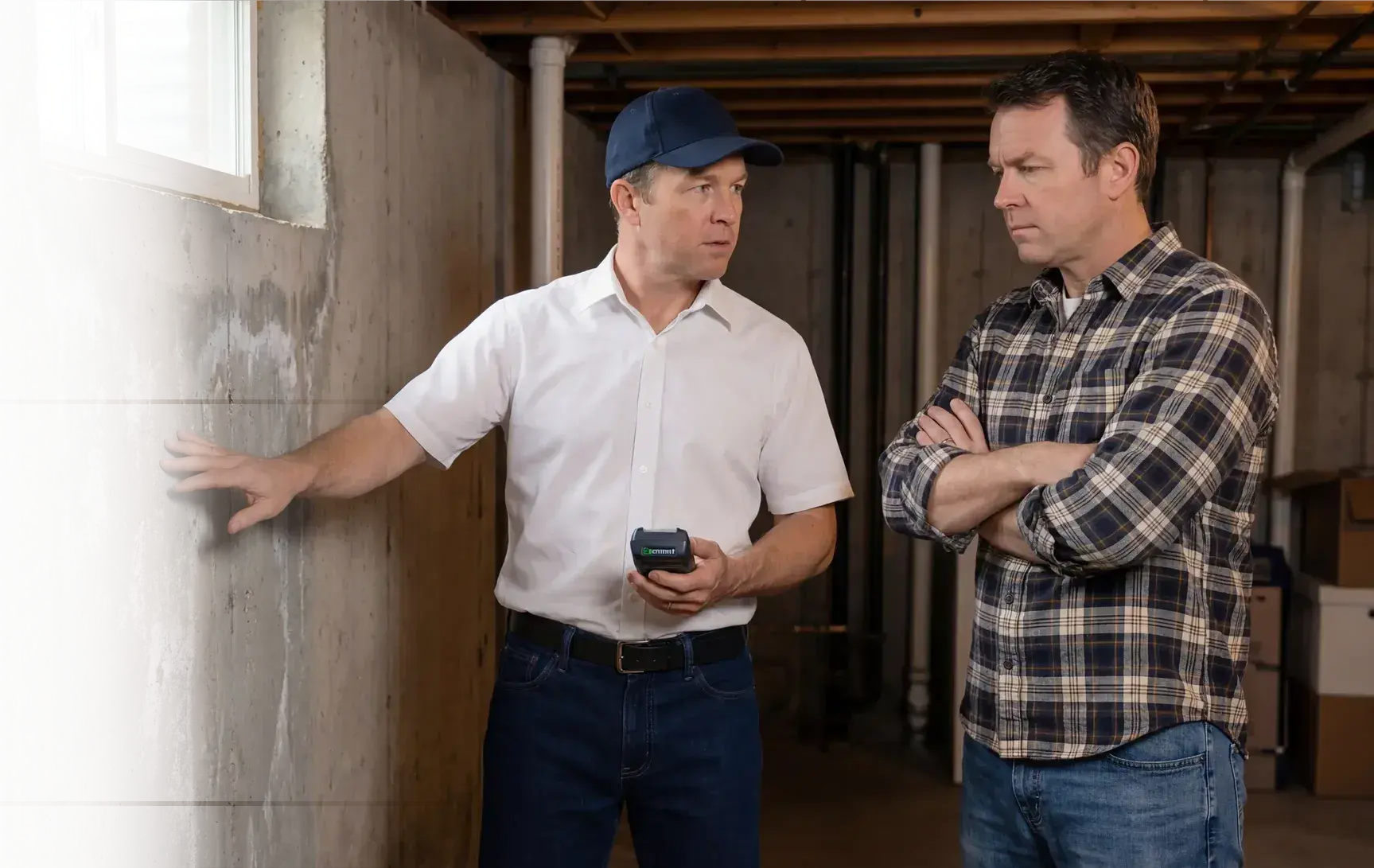
Water-damaged drywall is one of the most common problems homeowners face after leaks, plumbing failures, roof damage, or flooding. While many people focus on visible stains or soft spots, the actual repair scope often depends on how deeply moisture has penetrated the wall system. Drywall repairs can involve drying, material removal, insulation replacement, texture matching, repainting, and structural restoration. Understanding what drives drywall repair costs helps homeowners evaluate the extent of damage and make informed restoration decisions before problems spread further.
What Affects Drywall Repair Costs?
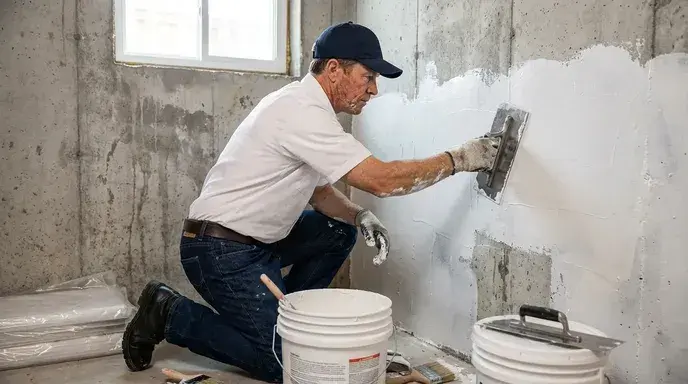
Not every drywall repair project involves the same level of restoration. Some walls require minor repairs, while others need significant reconstruction after moisture reaches hidden building materials.
- Size of the damaged drywall area
- Severity of water exposure
- Moisture inside wall cavities
- Insulation damage behind walls
- Number of affected rooms
- Drywall removal requirements
- Texture and finish restoration
Minor Drywall Damage vs Major Wall Restoration
One of the biggest cost factors is whether the drywall can be repaired or whether sections must be removed and rebuilt. The amount of moisture present often determines the scope of restoration.
- Surface staining with limited moisture
- Small isolated leak damage
- Soft or swollen drywall sections
- Water-damaged insulation behind walls
- Multiple wall sections requiring removal
- Structural drying requirements
- Ceiling and wall restoration combined
Why Early Repairs Often Reduce Overall Costs?
Addressing drywall damage early can prevent restoration projects from becoming larger and more expensive. Water continues to affect surrounding materials until moisture is fully addressed.
- Limits moisture spread
- Protects nearby wall sections
- Helps preserve insulation
- Reduces reconstruction needs
- Supports faster restoration
- Lowers risk of mold concerns
How Can We Help?
Water-damaged drywall can quickly become more than a cosmetic issue. Soft walls, staining, bubbling paint, and hidden moisture often indicate that additional restoration work may be needed. Our local restoration professionals help homeowners assess drywall damage, identify underlying moisture issues, and determine the most appropriate repair approach. NearbyPros makes it easy to connect with trusted local experts who can evaluate damage and help restore affected areas of the home.
Discuss The Damage
Tell us where the drywall damage is located and what signs you've noticed. We help homeowners understand whether the issue may involve hidden moisture or additional repairs.
Schedule A Wall Inspection
A local restoration professional can inspect affected walls, evaluate moisture conditions, and identify the extent of the damage behind visible surfaces.
Get Professional Water Damage Restoration Service
Our restoration professionals assess damaged materials, explain recommended repairs, and complete the restoration work needed to help return your home to a safe condition.
Connect with a trusted local professional available in your area today.
Call Us Now