Early Warning Signs Homeowners Shouldn’t Ignore
Published
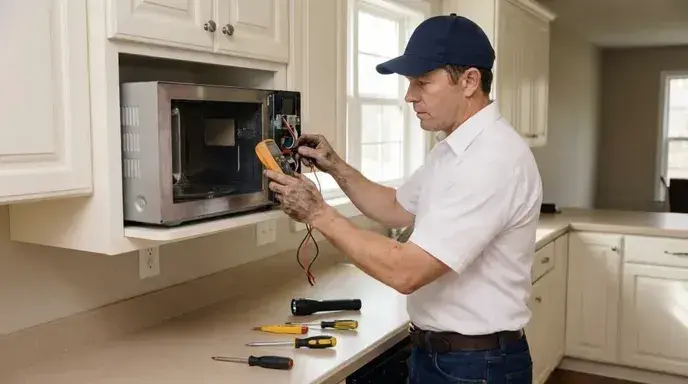
Appliances rarely stop working without warning. Strange noises, leaks, overheating, longer cycles, or rising energy bills often signal underlying problems before a complete breakdown occurs. Ignoring these warning signs can lead to larger repairs, reduced efficiency, or unexpected failures. NearbyPros helps homeowners connect with local appliance repair professionals who inspect household appliances, identify hidden issues, and restore performance before problems worsen.
Unusual Sounds Shouldn’t Be Ignored
Grinding, buzzing, rattling, or clicking noises often indicate worn parts, motor problems, loose components, or airflow restrictions.
- Refrigerator buzzing louder than usual
- Dryer making squealing or thumping sounds
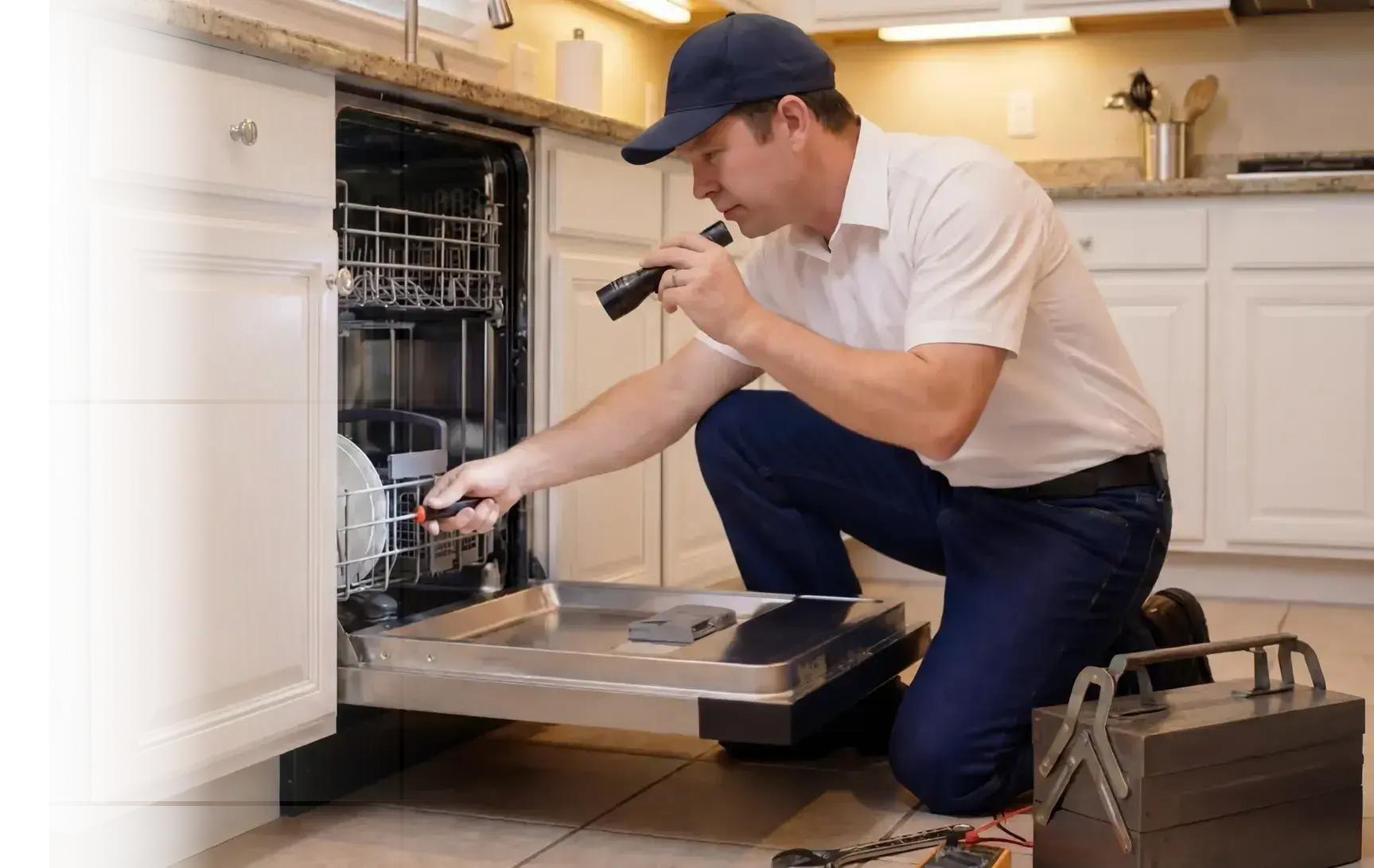
- Dishwasher producing grinding noises
- Washer banging during spin cycles
- Clicking sounds when appliances start
- Persistent vibrations during operation
Performance Changes Often Signal Hidden Problems
When appliances take longer to complete normal tasks, internal components may already be struggling.
- Dryer takes multiple cycles to dry clothes
- Refrigerator struggles to maintain cooling
- Dishwasher leaves residue on dishes
- Oven heats unevenly
- Washing machine drains slowly
- Appliance cycles become unusually long
- Performance remains poor after multiple repairs
Leaks, Odors, and Overheating Need Fast Attention
Visible leaks or unusual smells often point to issues requiring prompt inspection to avoid safety risks or additional damage.
- Water pooling near appliances
- Burning smells during operation
- Smoke or sparking
- Excessive appliance heat
- Gas smells near gas appliances
- Electrical burning odors from outlets
Rising Energy Bills Can Indicate Appliance Problems
Older or malfunctioning appliances frequently work harder to maintain performance, increasing household energy usage.
- Unexpected increases in utility bills
- HVAC-related appliances cycling excessively
- Older appliances losing efficiency
- Reduced performance despite higher energy use
- Refrigerator running continuously
How Can We Help?
When appliances start showing warning signs, early inspection can prevent larger repairs and unexpected failures. Our local appliance repair professionals help homeowners identify problems quickly and restore appliances before daily routines are disrupted.
Speak With A Local Professional
Describe unusual sounds, leaks, heating issues, or performance changes. Our team helps determine the urgency of the problem.
Schedule An Inspection
Choose a convenient time to connect with a local appliance repair professional who can inspect the issue and identify the cause.
Get Professional Appliance Service
Our appliance repair professionals inspect the problem, explain recommended solutions, and complete necessary repairs to restore performance whenever possible.
Connect with a trusted local professional available in your area today.
Call Us Now